Applications of Allulose in Baking Foods
Extremely Low Caloric Value
Excellent Sweetness
Caramelization Abilit
Good Moisture Retention
Anti-Crystallization
Applications of Allulose
in Baking Foods
Allulose is redefining the future of baking. As a naturally occurring rare sugar, it offers the perfect balance of "Health & Deliciousness," solving the critical challenges of browning and texture in sugar reduction.
What is Allulose?
Allulose is a monosaccharide found in nature, classified as a "rare sugar." First discovered in the 1940s, it exists in small quantities in foods like figs, raisins, and maple syrup. Its chemical structure is similar to fructose, but its metabolic pathway in the human body is completely distinct, offering sweetness without the caloric load.
1. Core Characteristics
Extremely Low Caloric Value
Allulose provides only 0.2-0.4 kcal/g, compared to 4 kcal/g for sucrose. It is absorbed by the small intestine but largely unmetabolized and excreted via urine, providing almost zero energy.
Caramelization (Maillard Reaction)
Unlike erythritol or aspartame, Allulose is a reducing sugar that undergoes the Maillard reaction. This allows baked goods to achieve an attractive golden-brown crust and rich aroma, critical for breads and cookies.
Excellent Sweetness Profile
It offers approximately 70% of the sweetness of sucrose. The taste profile is clean, soft, and very similar to sugar, without the bitterness or metallic aftertaste often found in high-intensity sweeteners.
Moisture Retention & Anti-Crystallization
Allulose has high hygroscopicity, helping cakes retain moisture and stay soft. It also inhibits sugar crystallization, ensuring a smooth texture in fillings and frostings.
2. Typical Application Scenarios
Sugar-Reduced Sponge Cake
Cakes & PastriesTraditional sugar-reduced cakes often suffer from poor volume, pale color, and dry texture because sugar is essential for stabilizing egg foam and moisture retention.
Egg Foam Stability: Acts similarly to sucrose in stabilizing whipped eggs.
Color & Aroma: Generates browning through Maillard reaction.
Antioxidant: Provides antioxidative properties to extend shelf life.
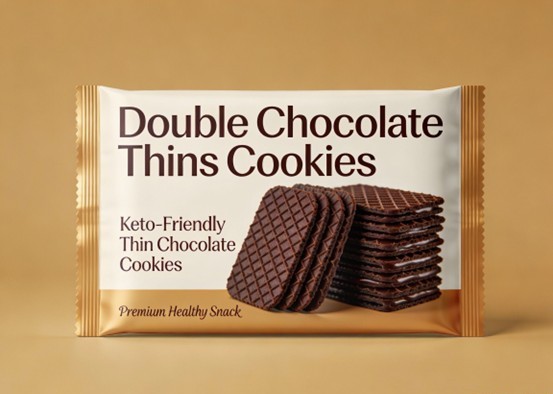
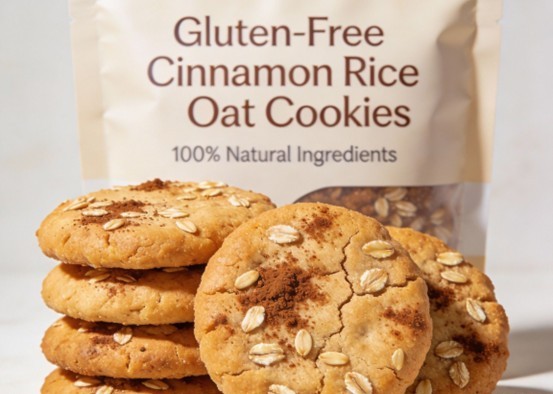
Keto-Friendly Soft Cookies
Biscuits & CookiesCreating a soft, chewy cookie without sugar is difficult because sugar controls spreading and texture. High-intensity sweeteners often result in dry, hard, or crumbly textures.
Spreading Control: Helps dough spread naturally during baking.
Texture Modulator: Inhibits starch retrogradation and crystallization.
Clean Sweetness: Masks the earthy taste of almond or coconut flour.
Low-Calorie Frostings
Fillings & ToppingsReplacing sugar in frostings often leads to a gritty texture (crystallization) or lack of body/viscosity.
Smoothness: High solubility prevents crystallization even at high concentrations.
Viscosity: Provides body and mouthfeel similar to syrup.
Melting Profile: Offers a smooth melt-in-the-mouth sensation.
Future Development Directions
Strategies for unlocking the full potential of Allulose in the industry
1. Formulation Optimization
Researching synergistic blends with other sweeteners (e.g., Stevia, Monk Fruit) to improve cost-effectiveness and taste profiles.
2. Process Improvement
Developing baking parameters specifically adapted to Allulose's unique browning rate to maximize quality.
3. Category Innovation
Creating entirely new baking categories and consumption scenarios that leverage Allulose's functional properties.
4. Scientific Validation
Accumulating more clinical evidence on health benefits to further enhance consumer trust and market acceptance.